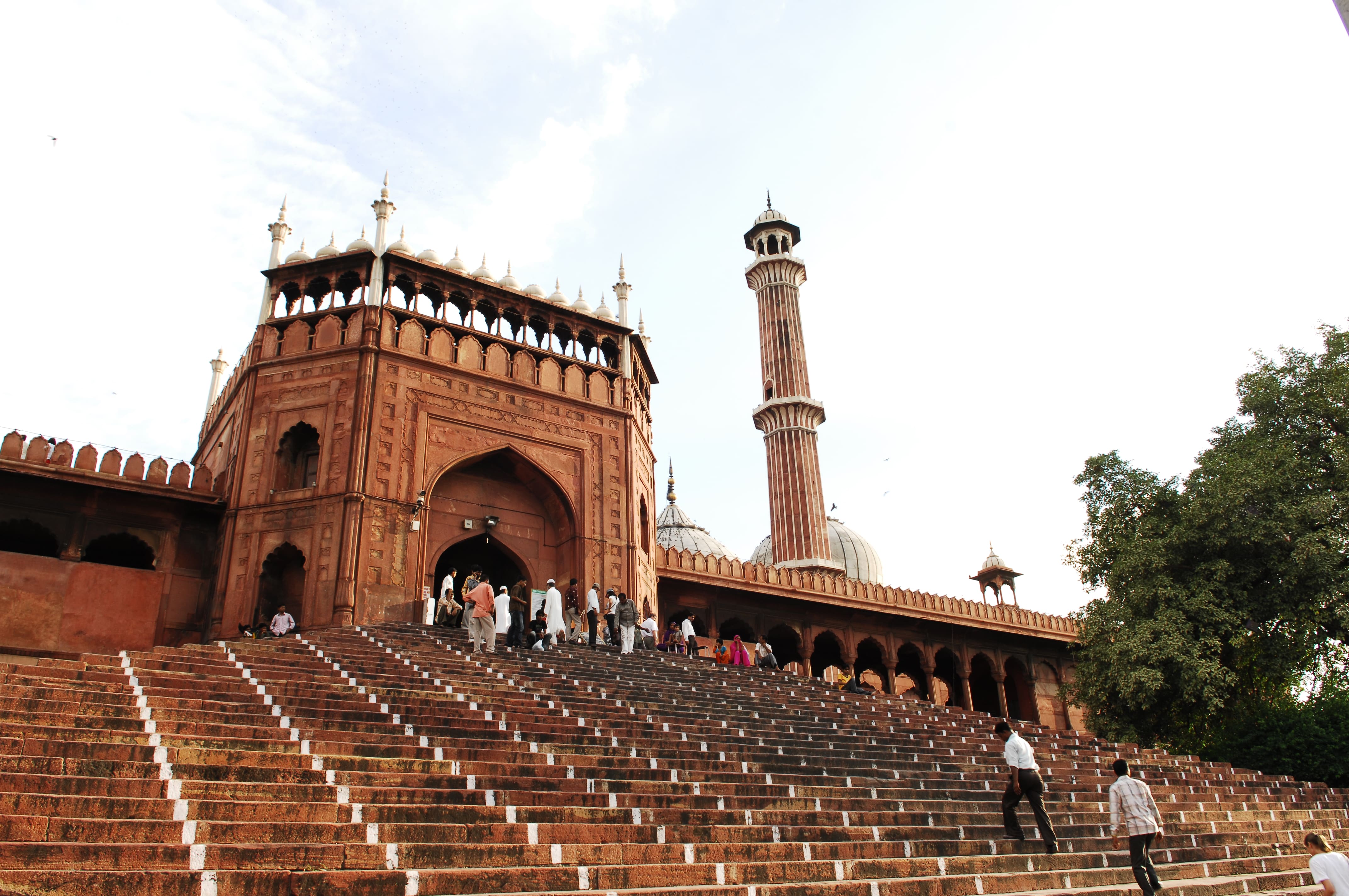
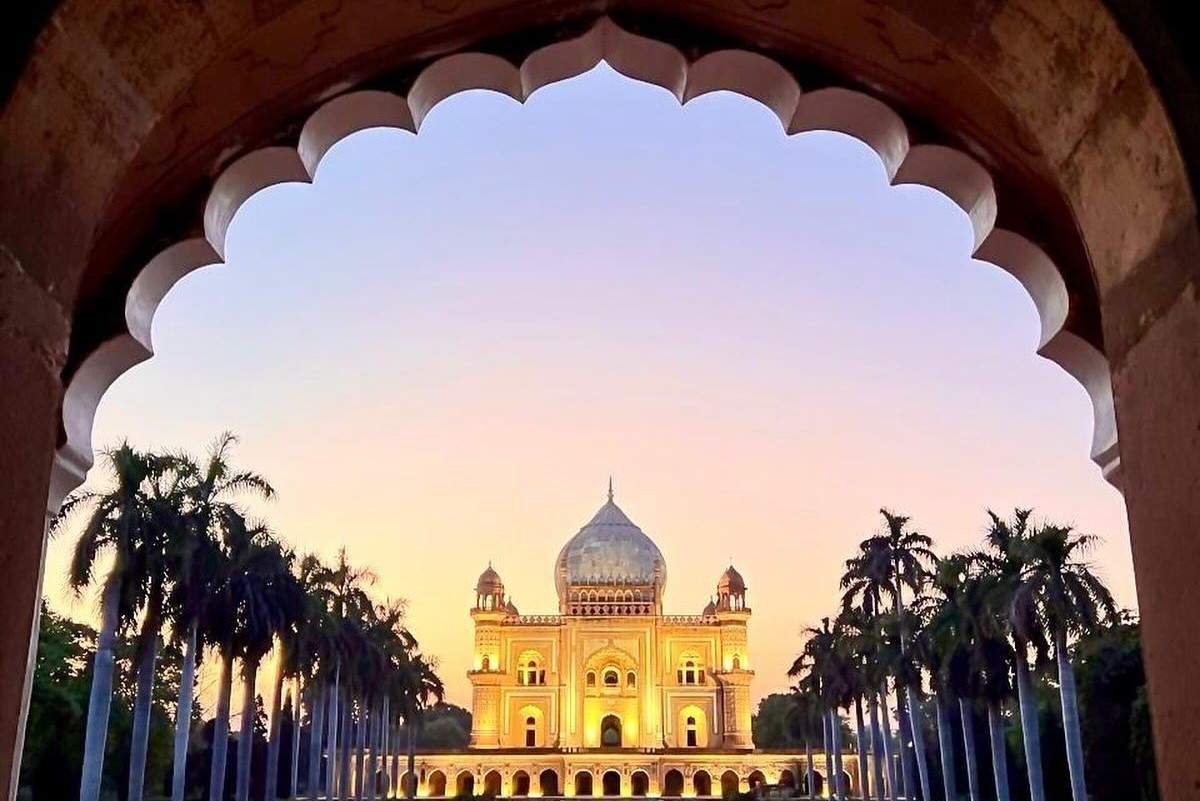
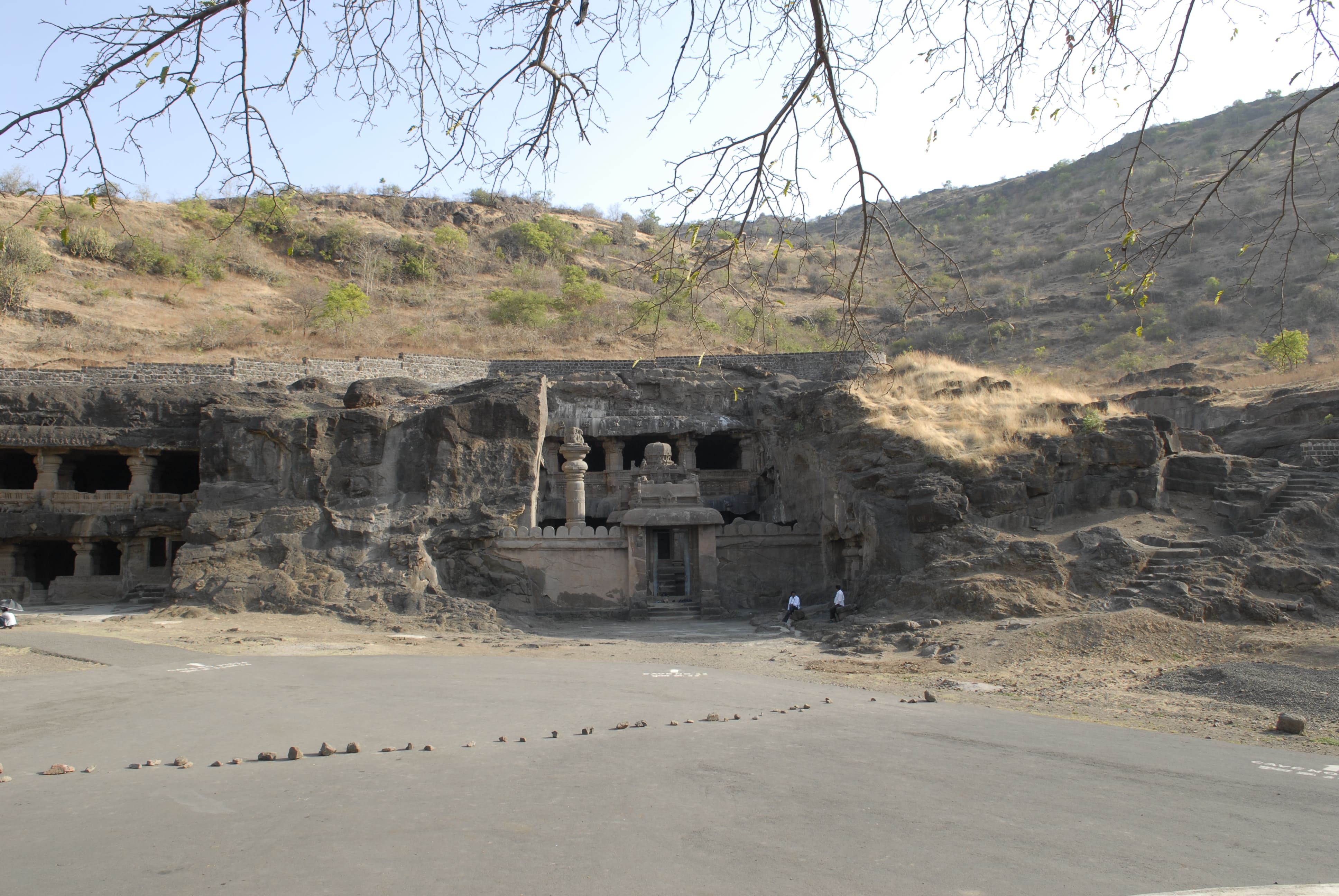
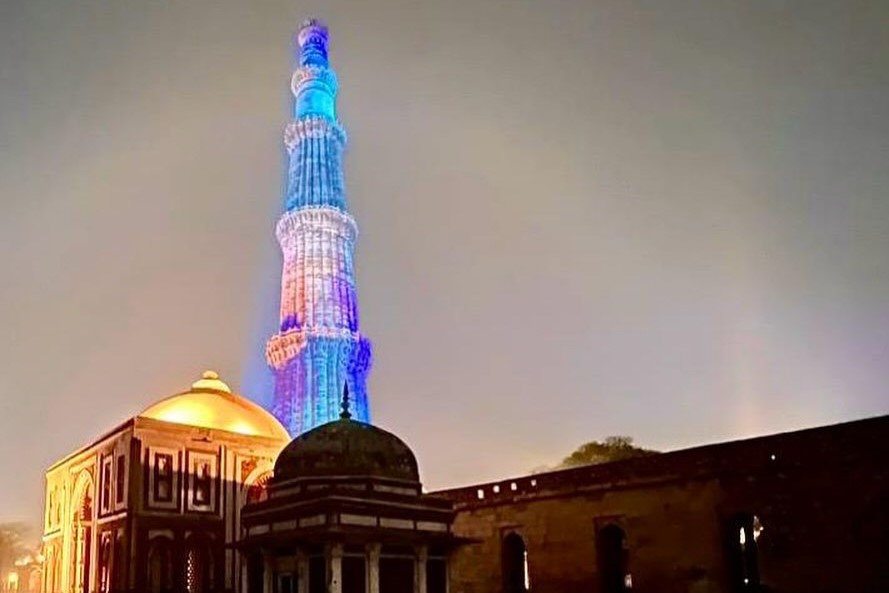
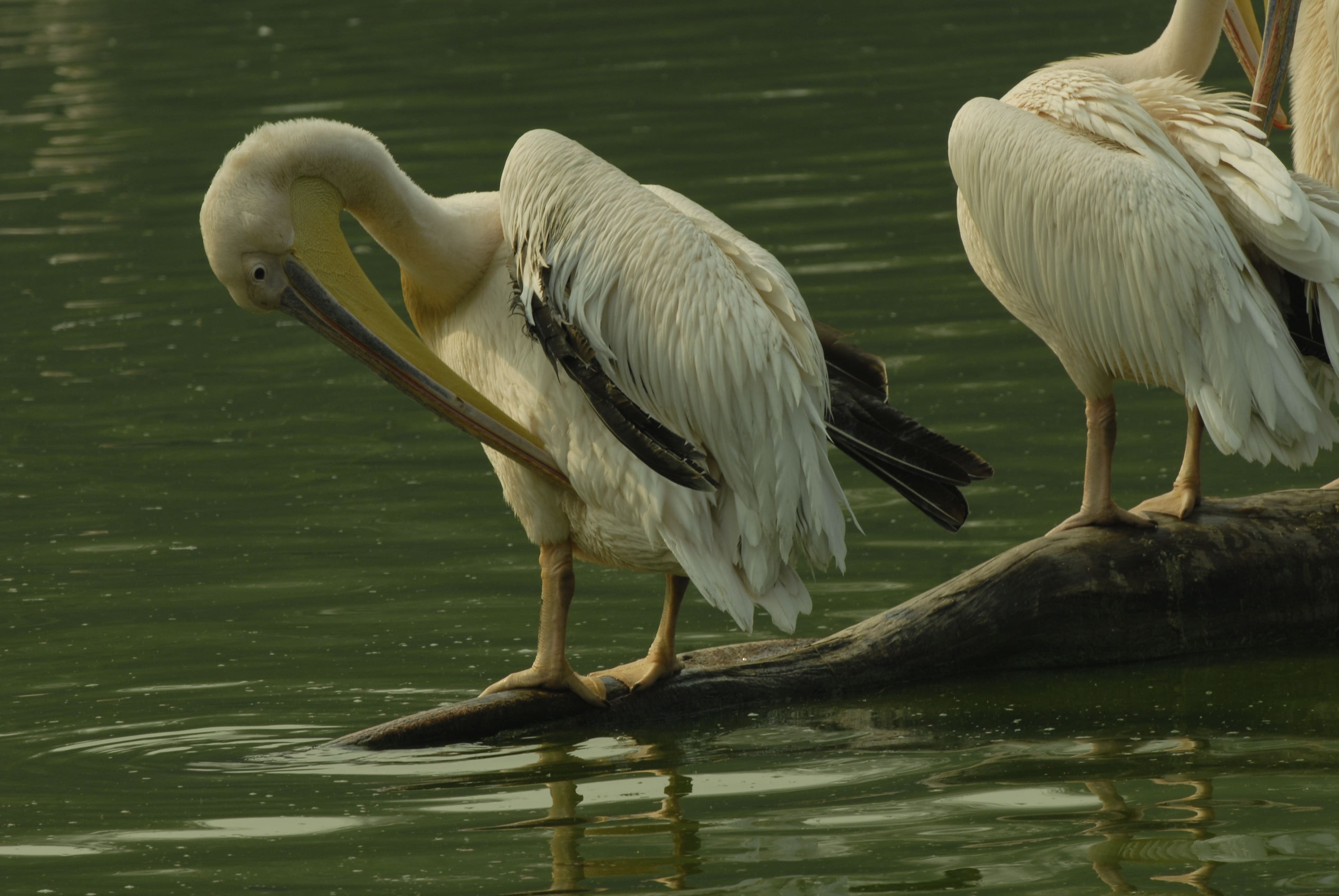
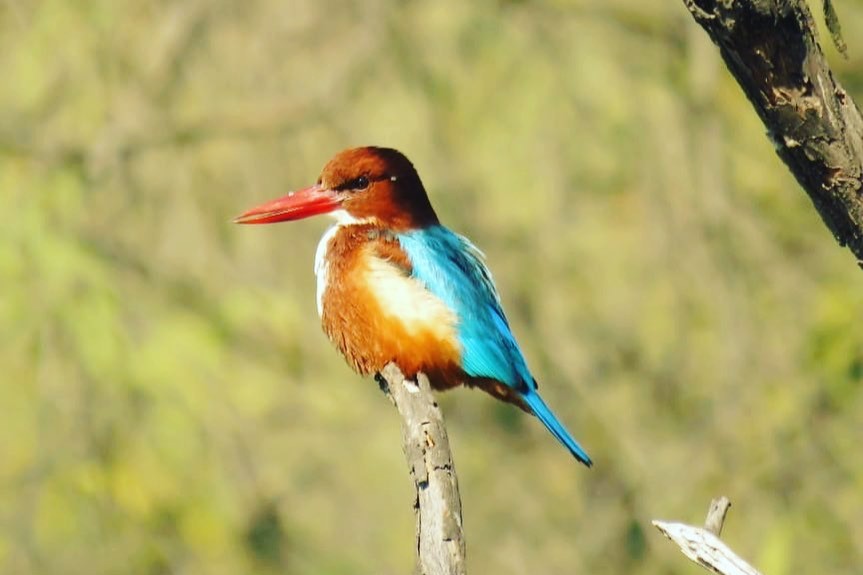
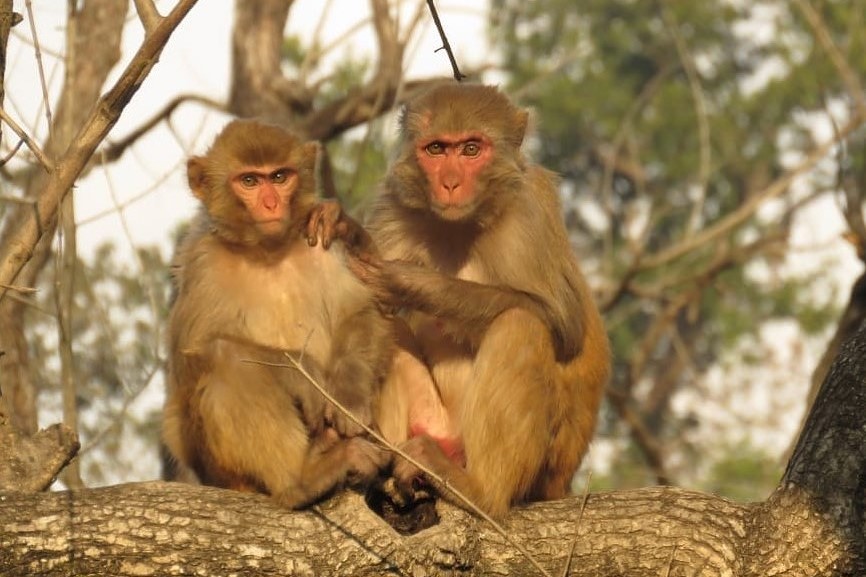
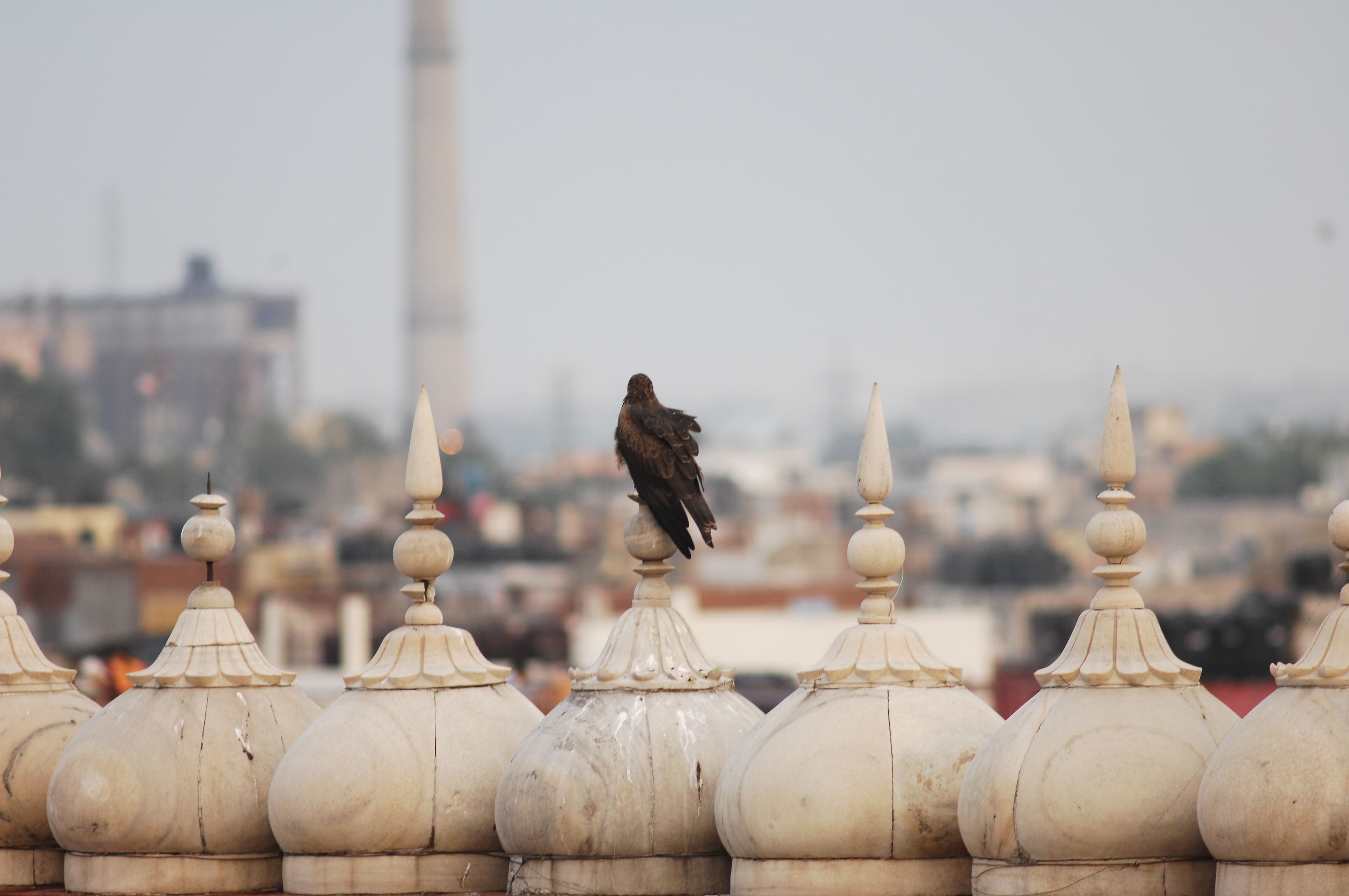
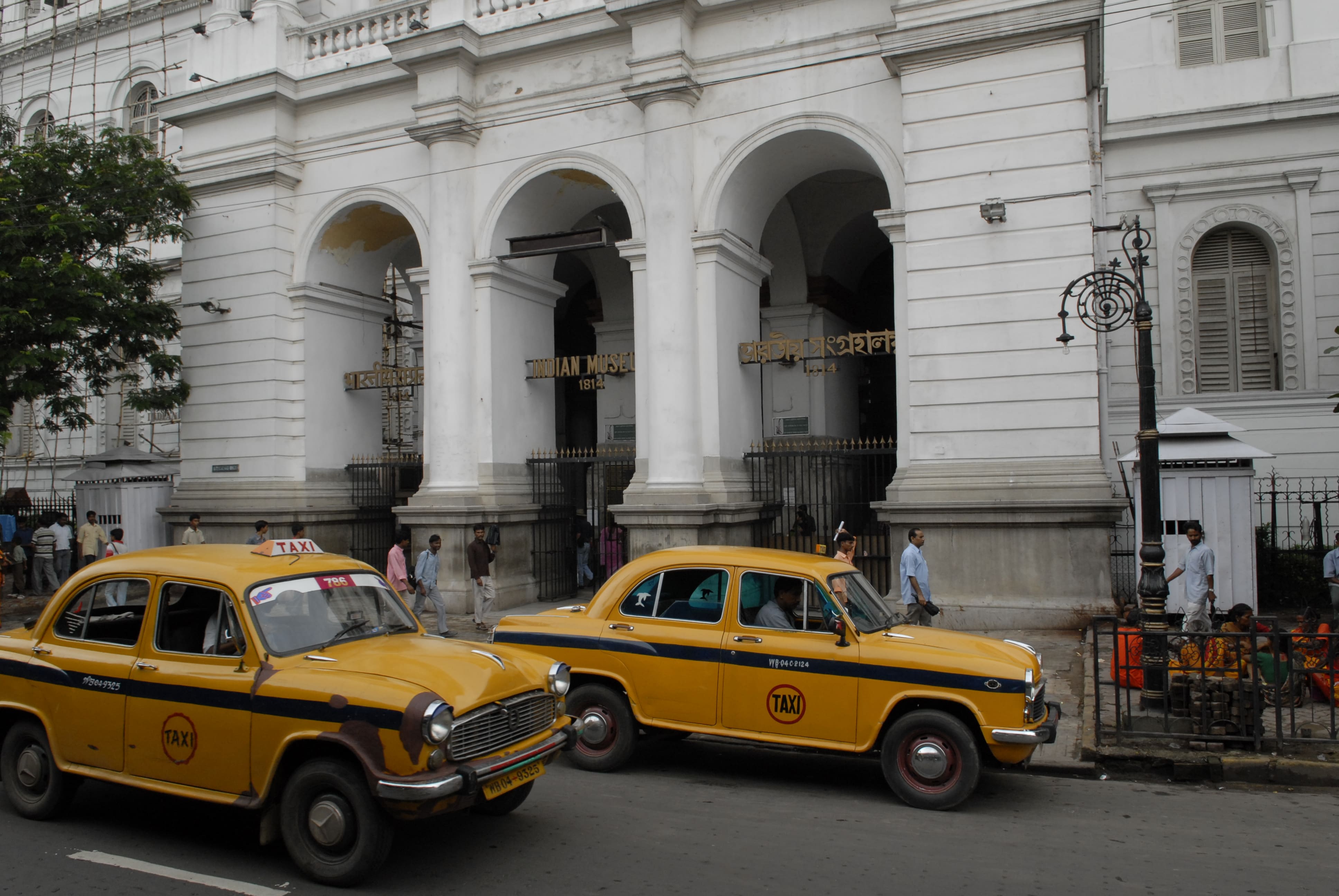
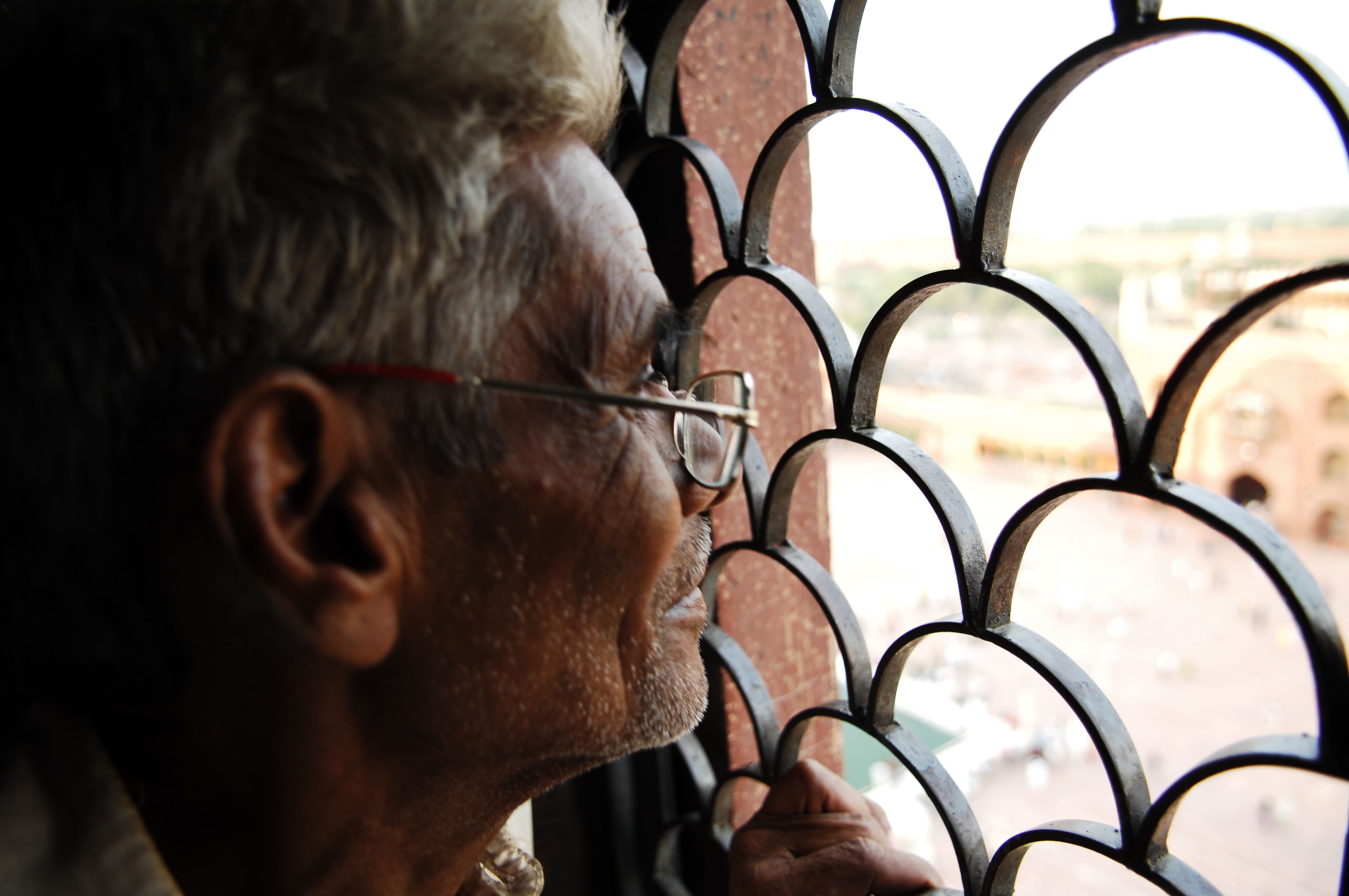
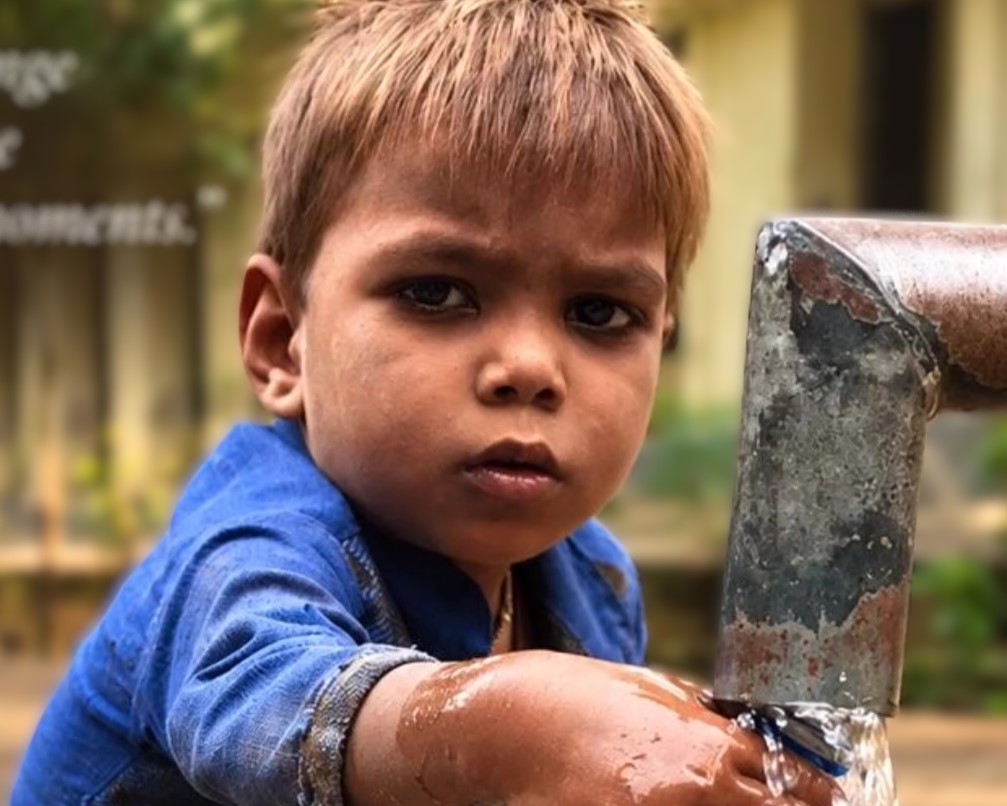
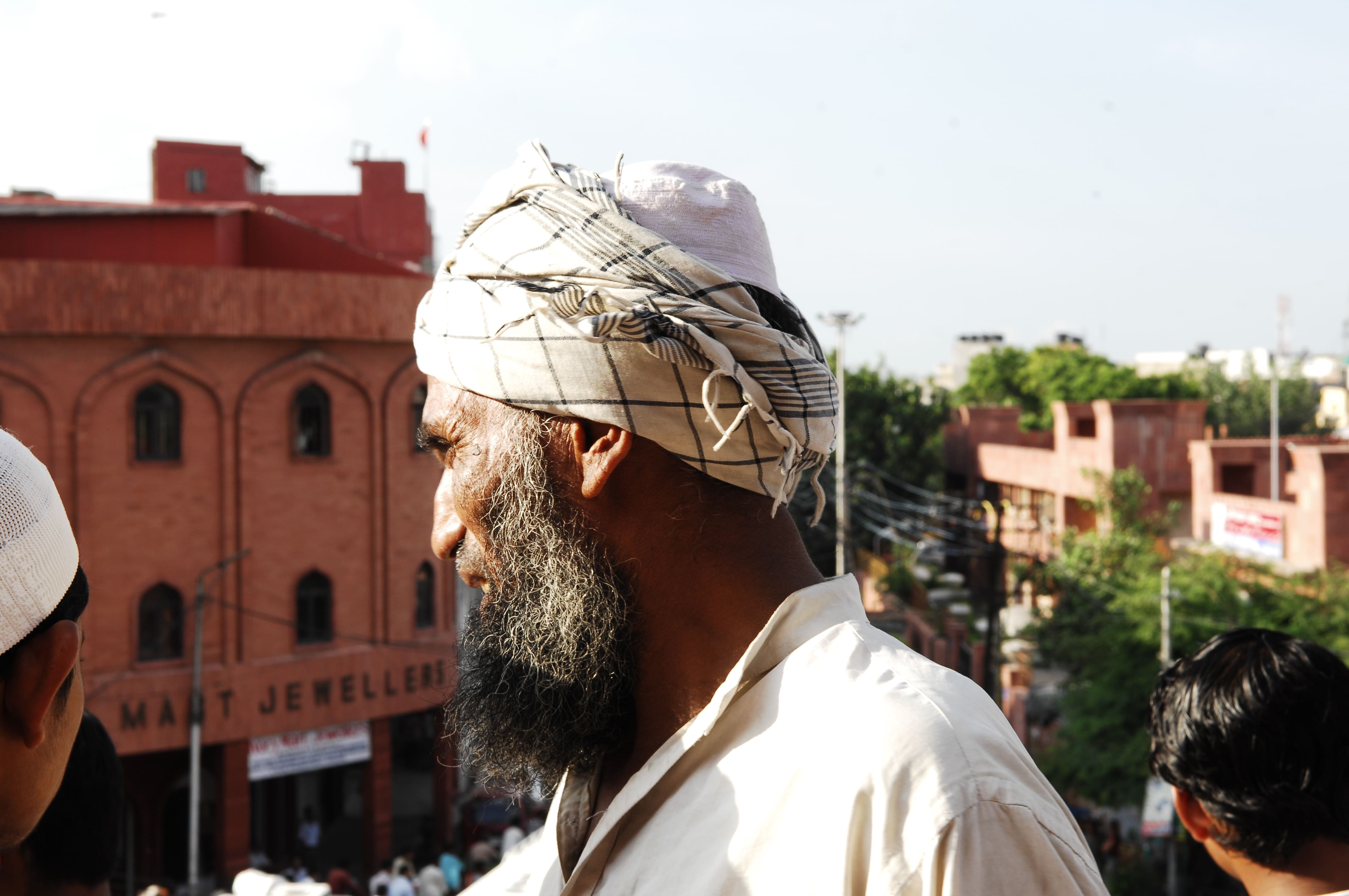
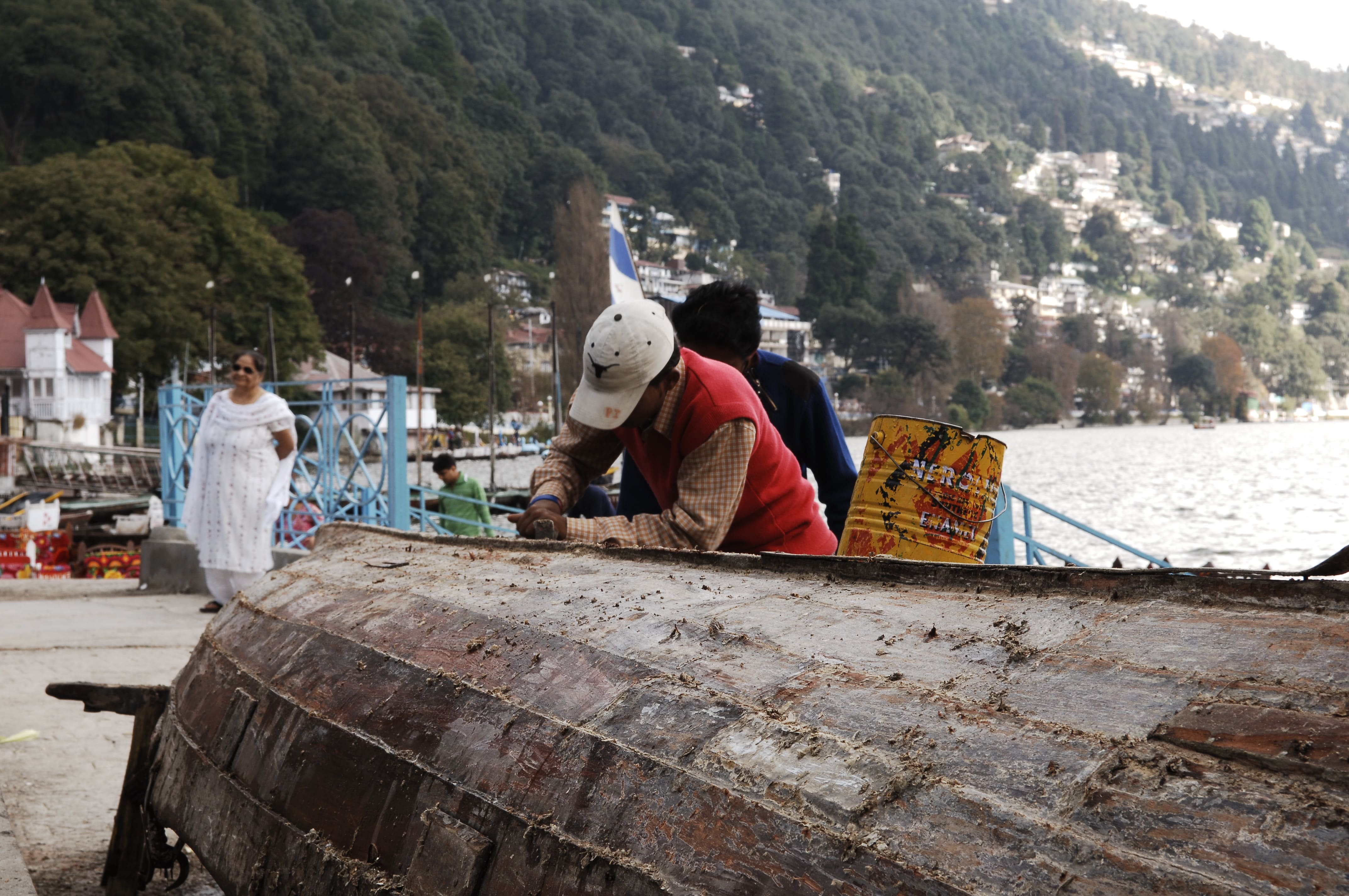
For over 35 years, his lens traversed heritage streets, quiet misty landscapes, timeless cultural celebrations and intimate human moments across five continents.
He noticed the stories others passed by, and gave his time and care
wherever someone needed it.
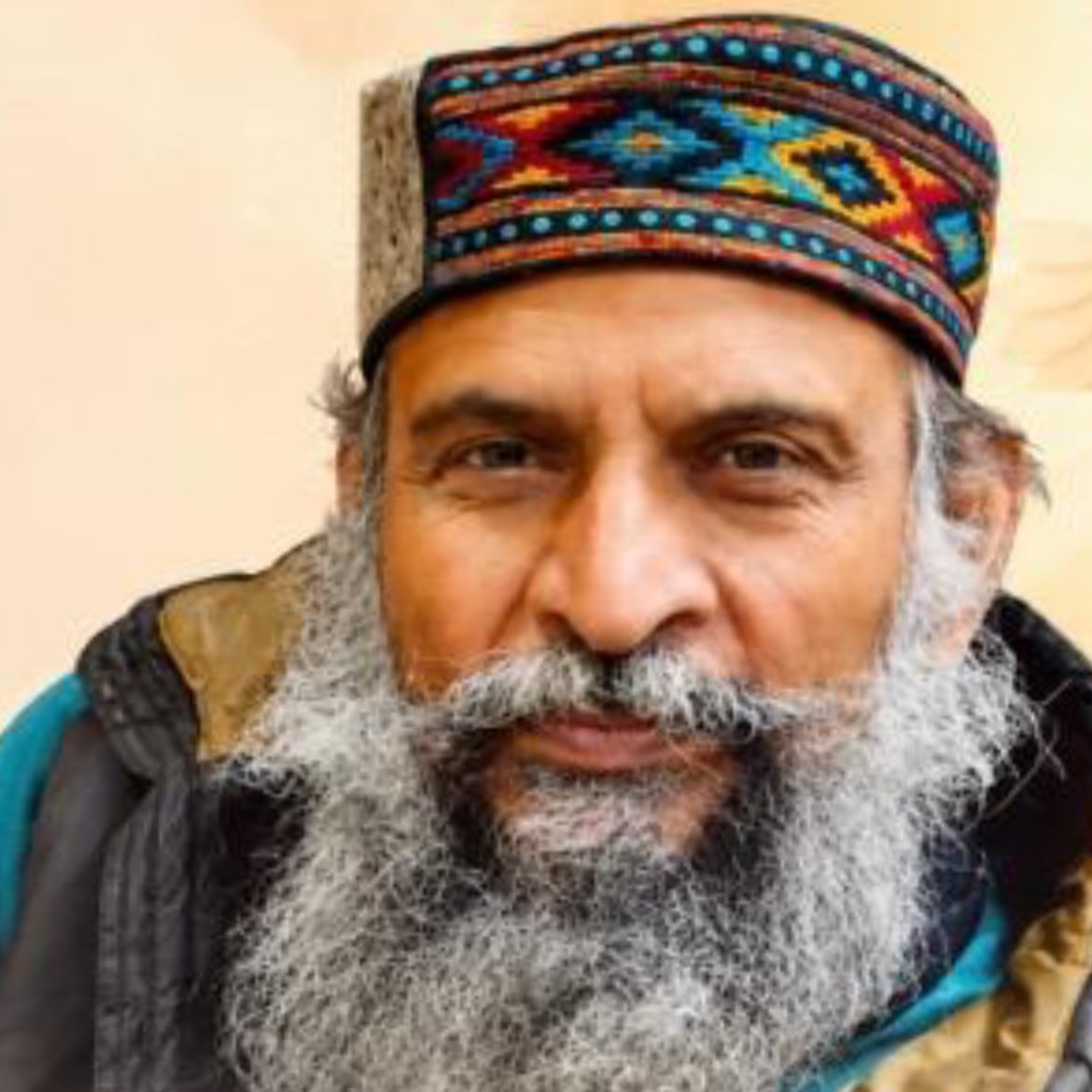
Veteran journalist, photographer and philanthropist Shashi Sahai, whose camera documented
countless lives while he quietly devoted his own to photography, friendship and social
service.
A bond beyond definitions.
In the memories of those who knew a very different
Shashi Sahai from the name that appeared alongside published work. He was the person who
called. The person who showed up. The person who remembered…
When cancer gradually took away his strength and independence, our family cared for him
through treatment, hospitalisations and finally at home.
Scroll to remember ↓
He photographed what happened between things.
Shashi / In the world around him
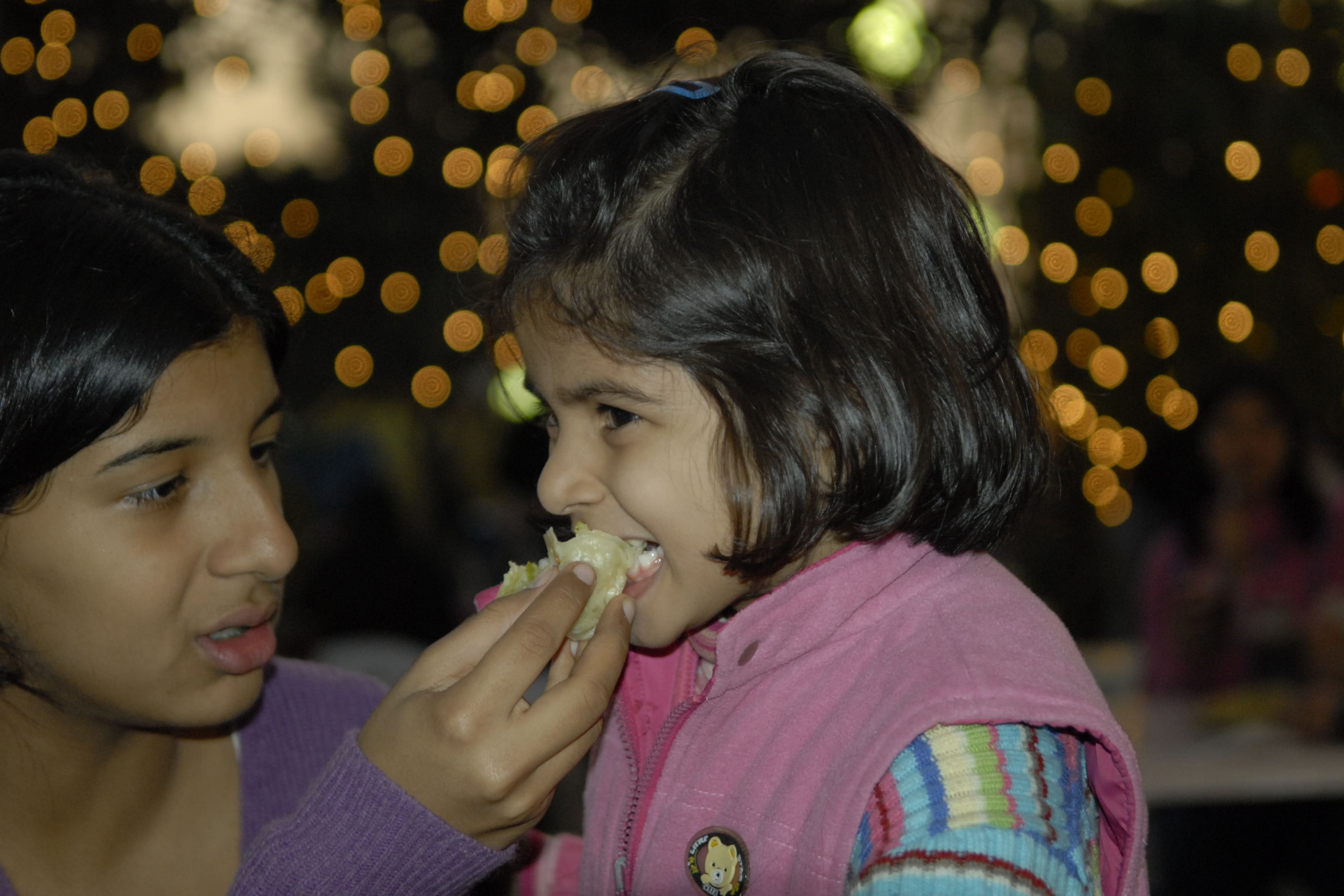
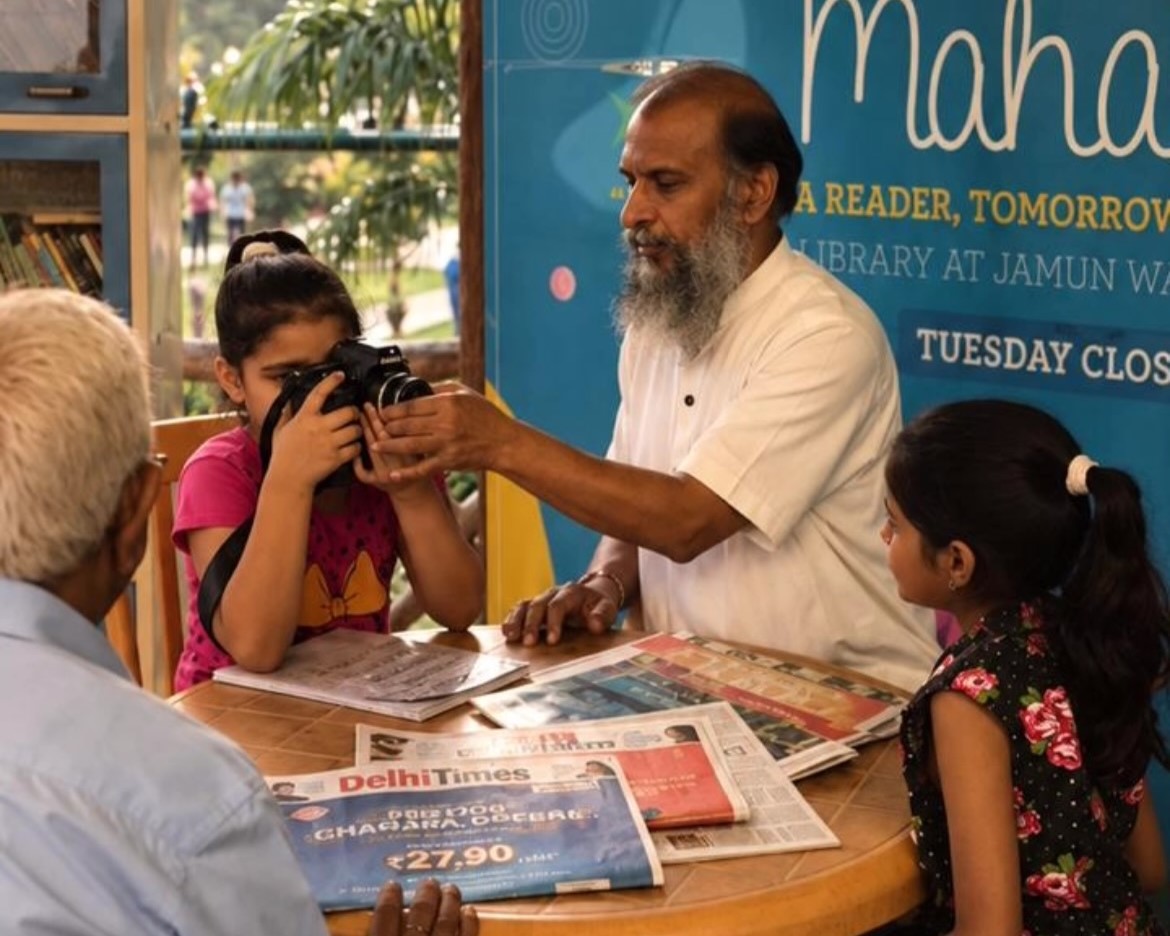
Shashi had a quality that is increasingly rare: he knew how to make another human being feel
important. He gave affection without measuring status, age, gender or social position.
Children responded to him naturally. Friends relied upon him. People carrying difficulties often
found themselves speaking to him because he could listen without making their vulnerability
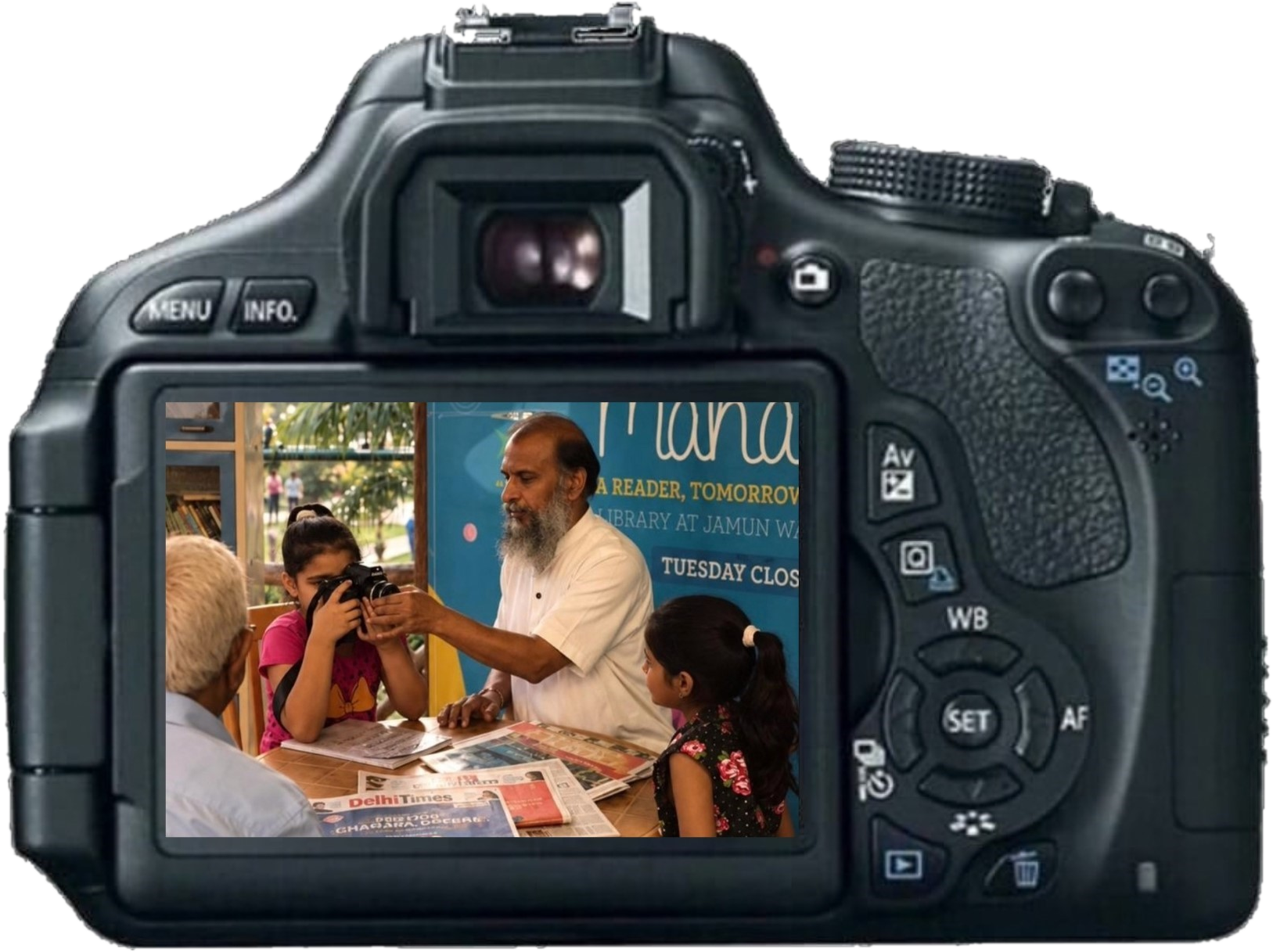
smaller.For him, photography was less about the camera and more about paying attention. Ironically,
the man who spent decades documenting others rarely wanted attention himself. Shashi remained
intensely private and understated throughout his life. He was uncomfortable with self-promotion and
rarely spoke about his own achievements. Those close to him say he would much rather hear another
person’s story than tell his own.
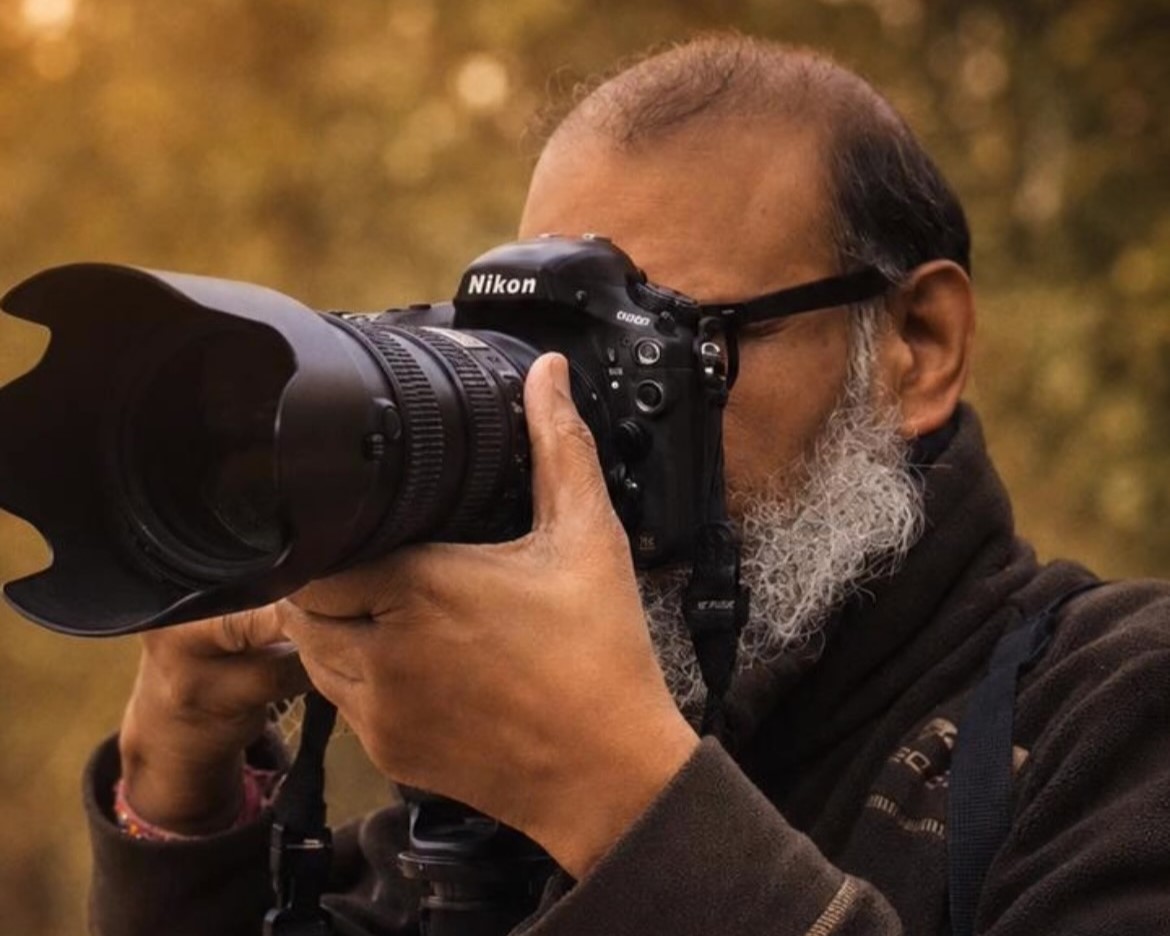
For much of his life, Shashi stood behind the lens. It was where he was most comfortable watching,
listening and waiting for the moment that others often missed. A Photojournalist by profession a
photographer by instinct, had a long association with the media and contributed to several
publications, including international magazines. Colleagues remember him as a keen observer with a
rare ability to find a story in the seemingly ordinary.
Veteran journalist, photographer and philanthropist Shashi Sahai
Shashi Sahai / Behind the lens
A story of friendship
The quiet way he stayed beside us.
For nearly twenty years, we shared work, purpose and the small routines that slowly become a life
together. Shashi never needed to announce his support. When a difficult decision or a long day
arrived, his steady presence was already there.
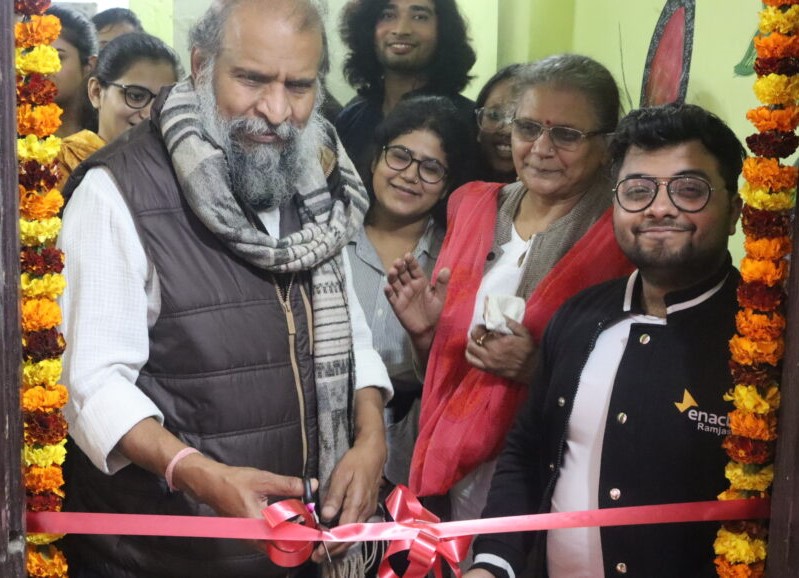
As cofounder and a long-standing pillar of Aarohan NGO located at Malviya Nagar, New Delhi, he worked
for years in support of children, women and vulnerable communities. His contribution went far beyond
designation.
He became one of the people the organization could depend upon, someone who worked quietly, solved
problems and remained present when he was needed. He did not believe every act of kindness required
an audience. Much of what he did for others was done without photographs, announcements or
recognition. Perhaps that was the clearest reflection of the man he was. He could meet a stranger
and, before long, make that person feel like an old friend irrespective of age, profession or social
standing. People entered his life as acquaintances and often stayed as family.
But the final months of Sahai’s life were very different from the years he had spent moving through
the world with a camera in hand.
Yet cancer is only the final paragraph of his story. It is not the story
itself.
That story lies in the decades that came before it. It is in the photographs he left behind and the
stories he helped tell. It is in Aarohan and the communities he served. It is in the people he
helped when nobody was watching. It is in friendships that outlived assignments, workplaces and
distances.
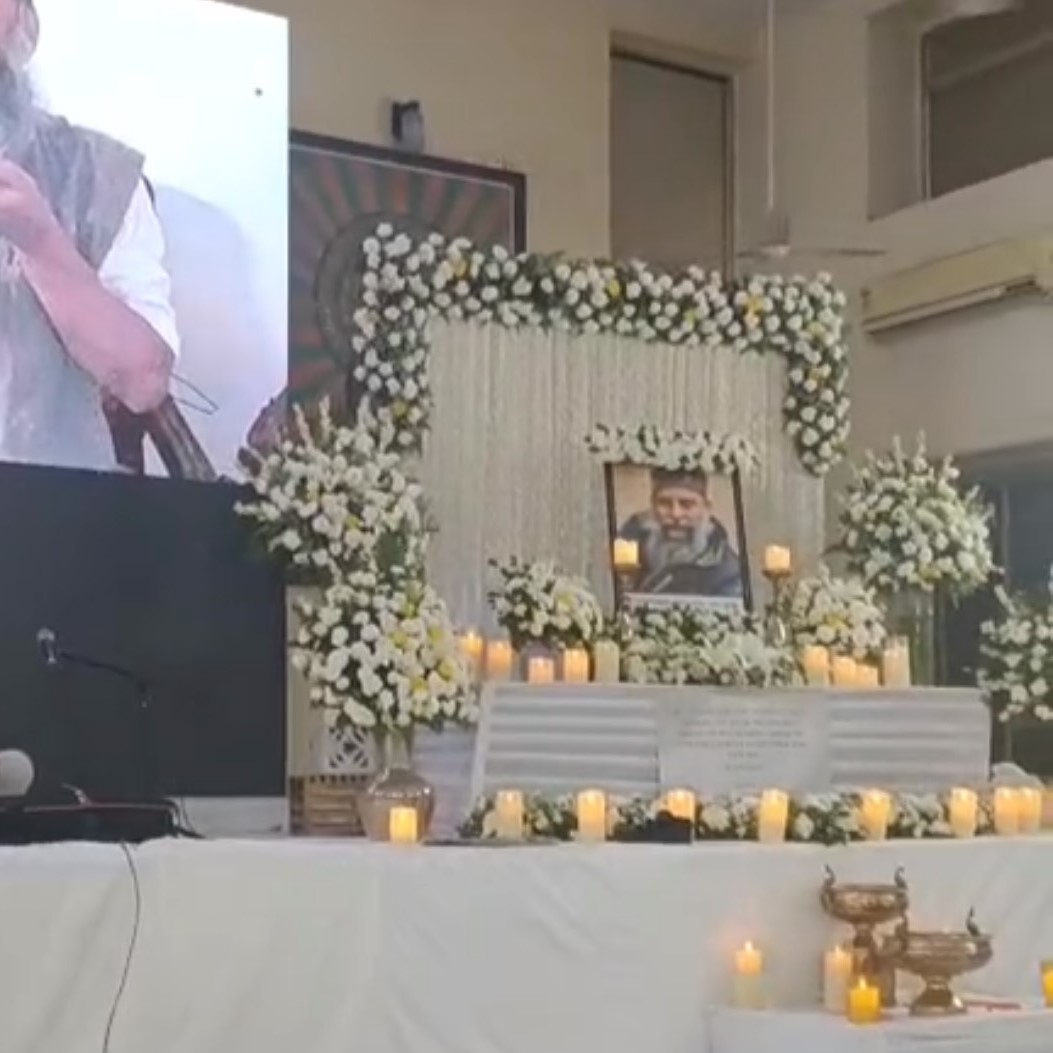
Remembered with affection
Browse by subject
Explore the collection
Street photography
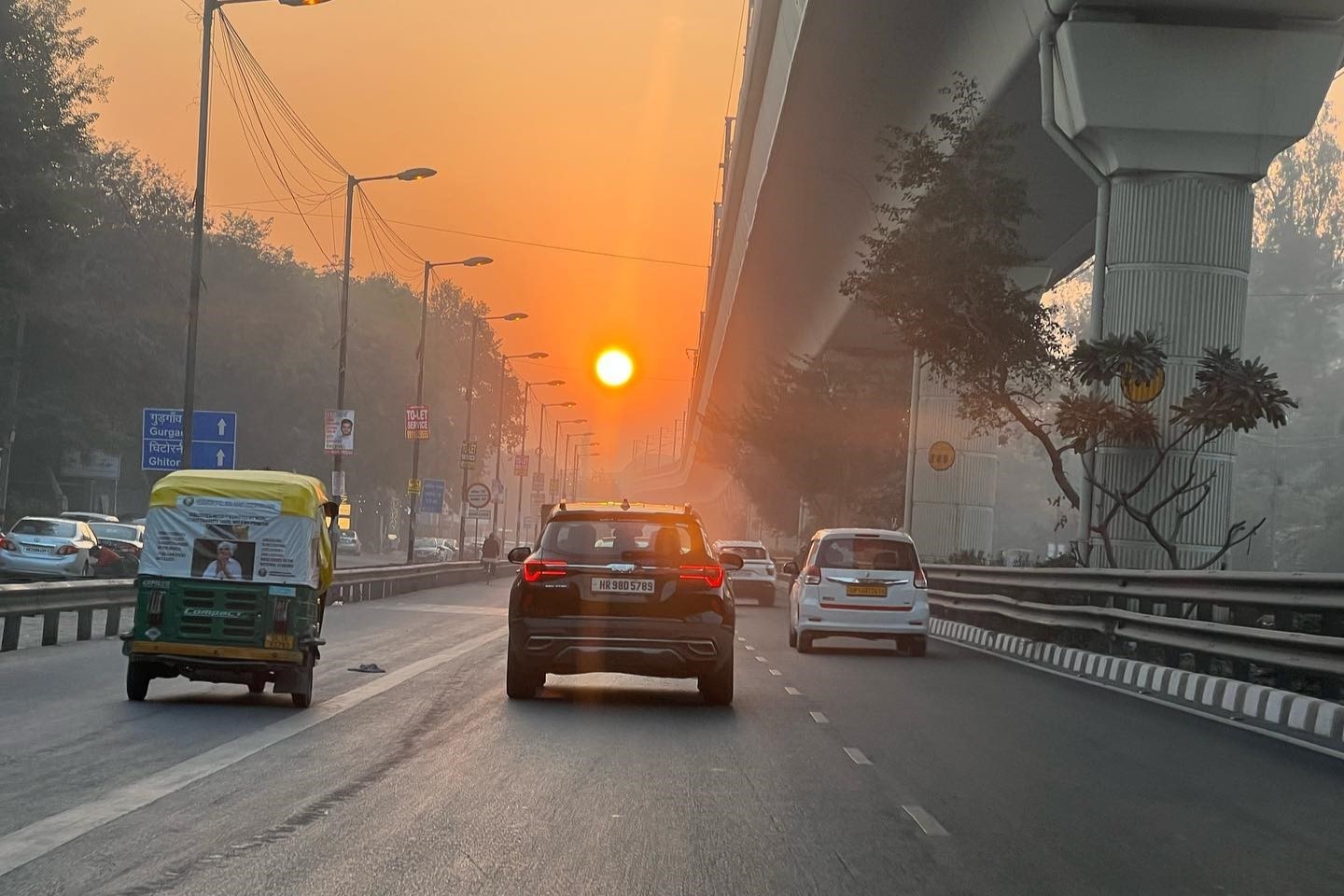
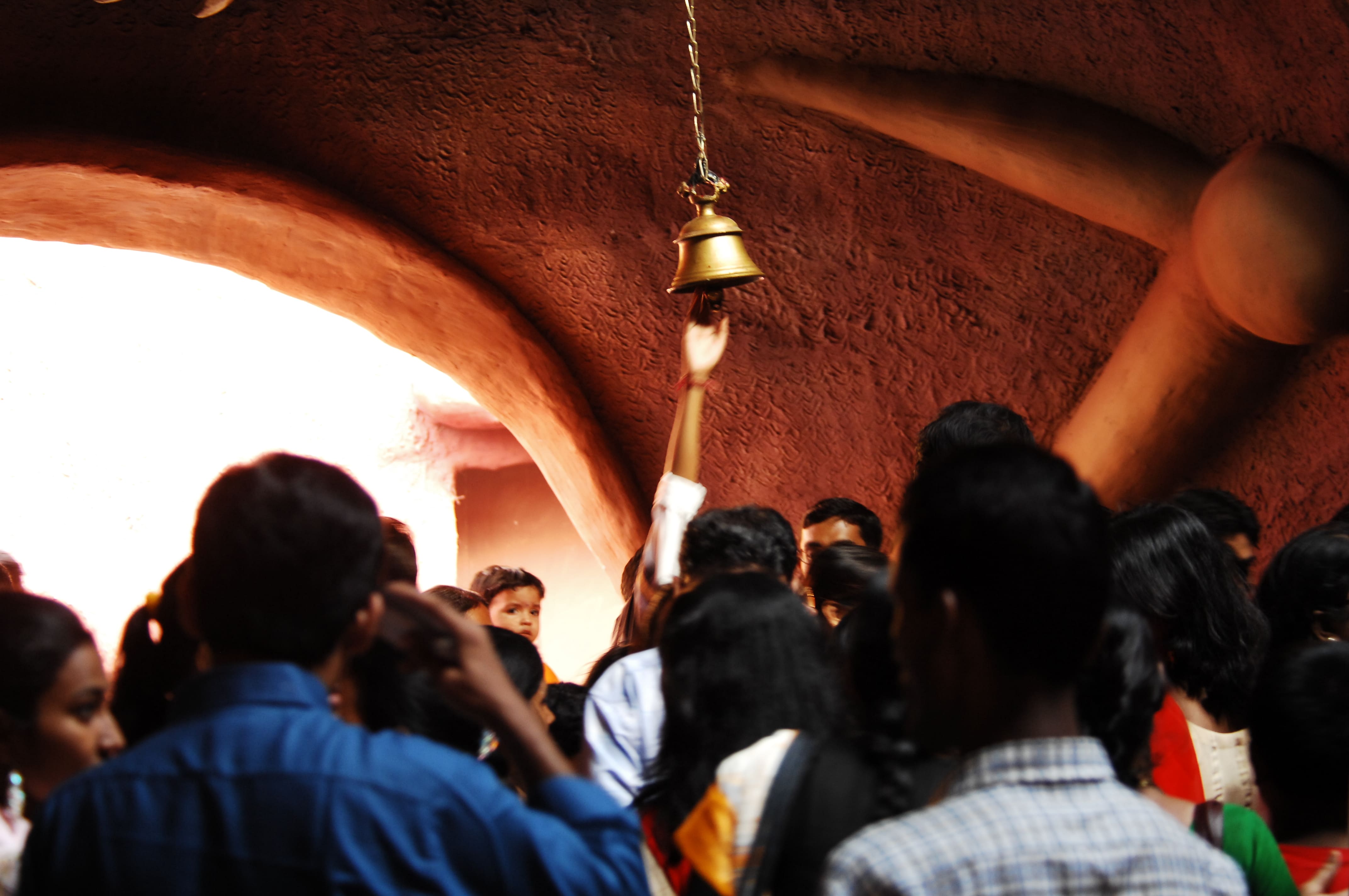
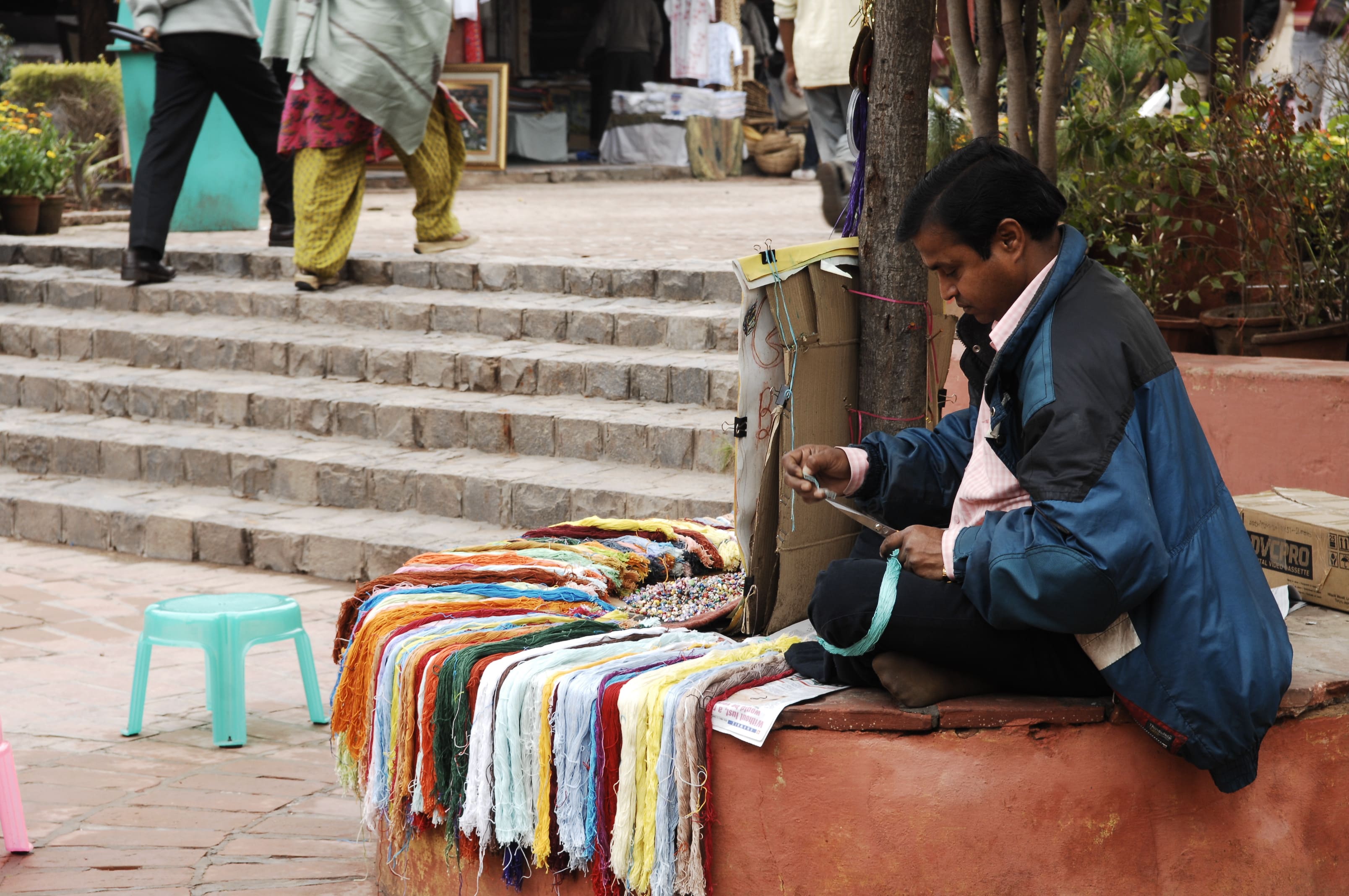
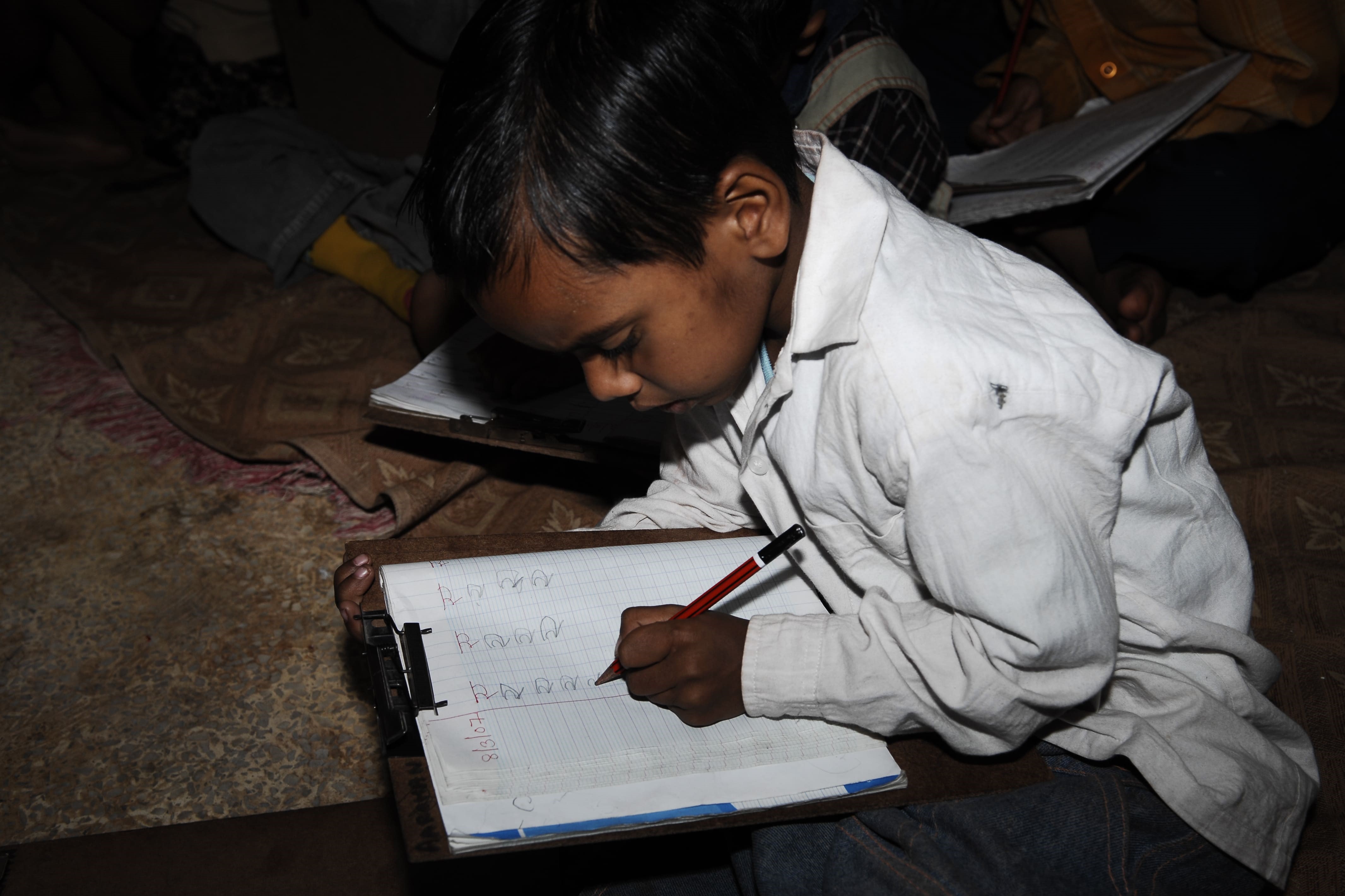
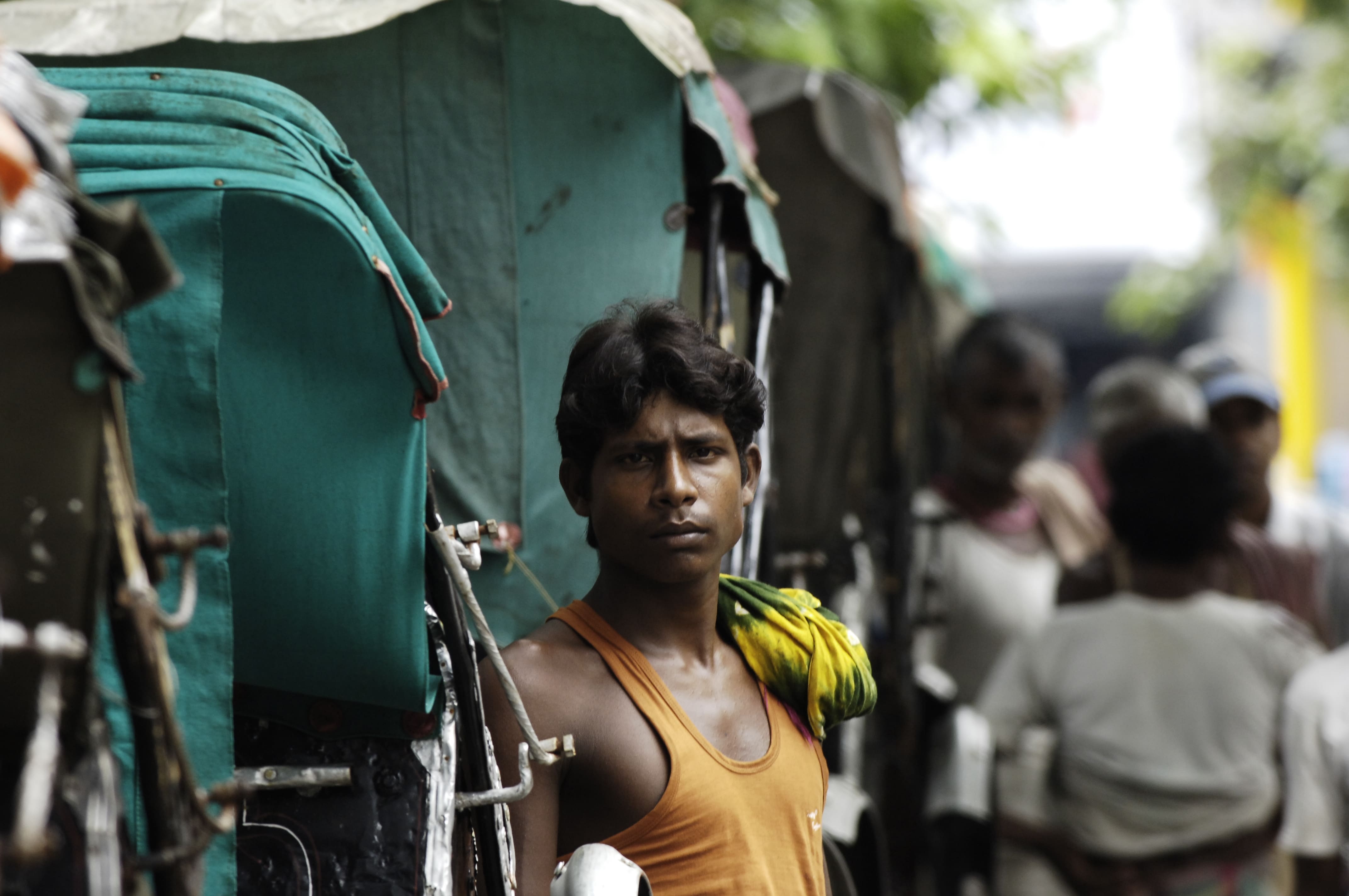
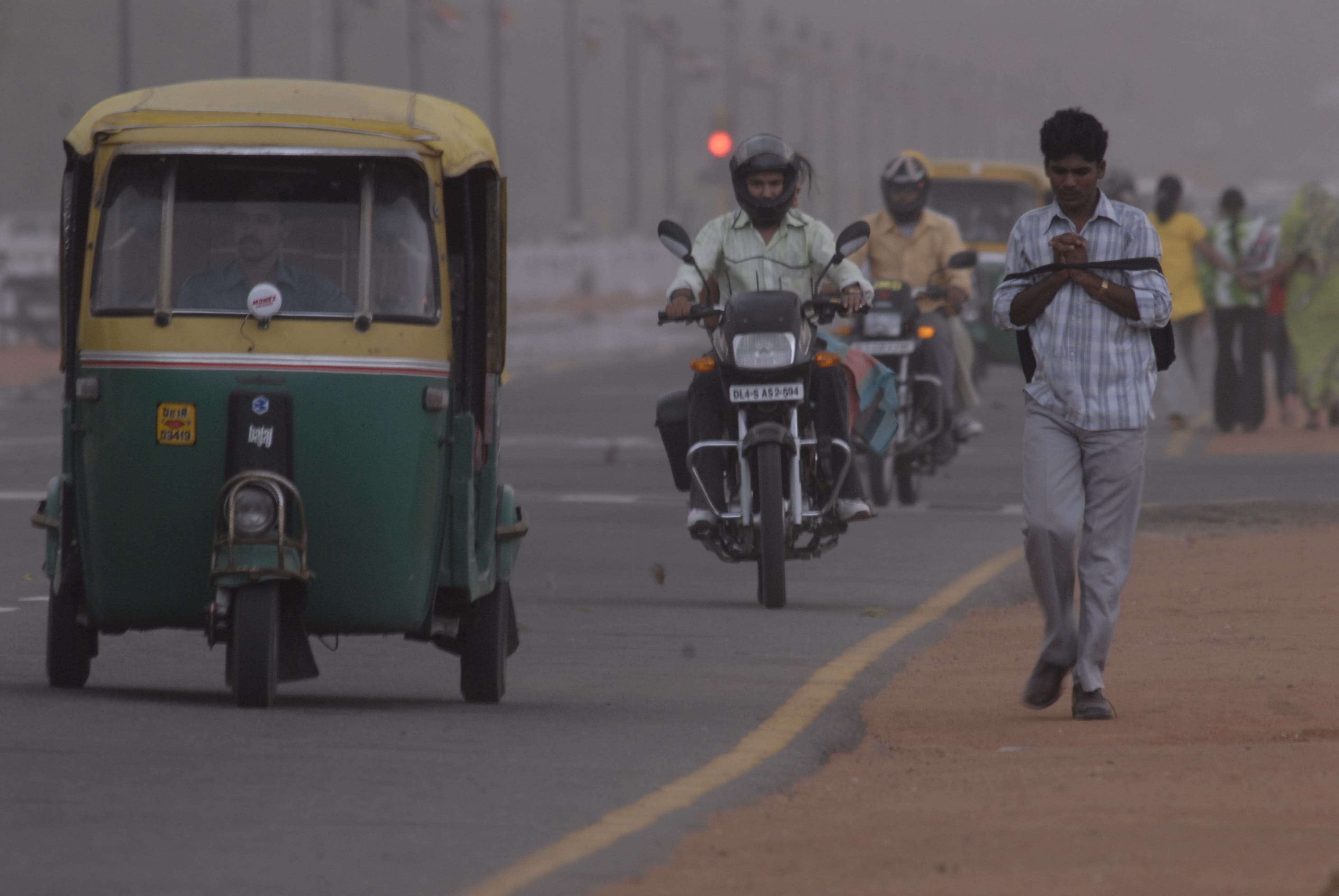
Street life / From the archiveEveryday lives / From the archiveOn the street / From the archiveOn the street / From the archive
People & portraits
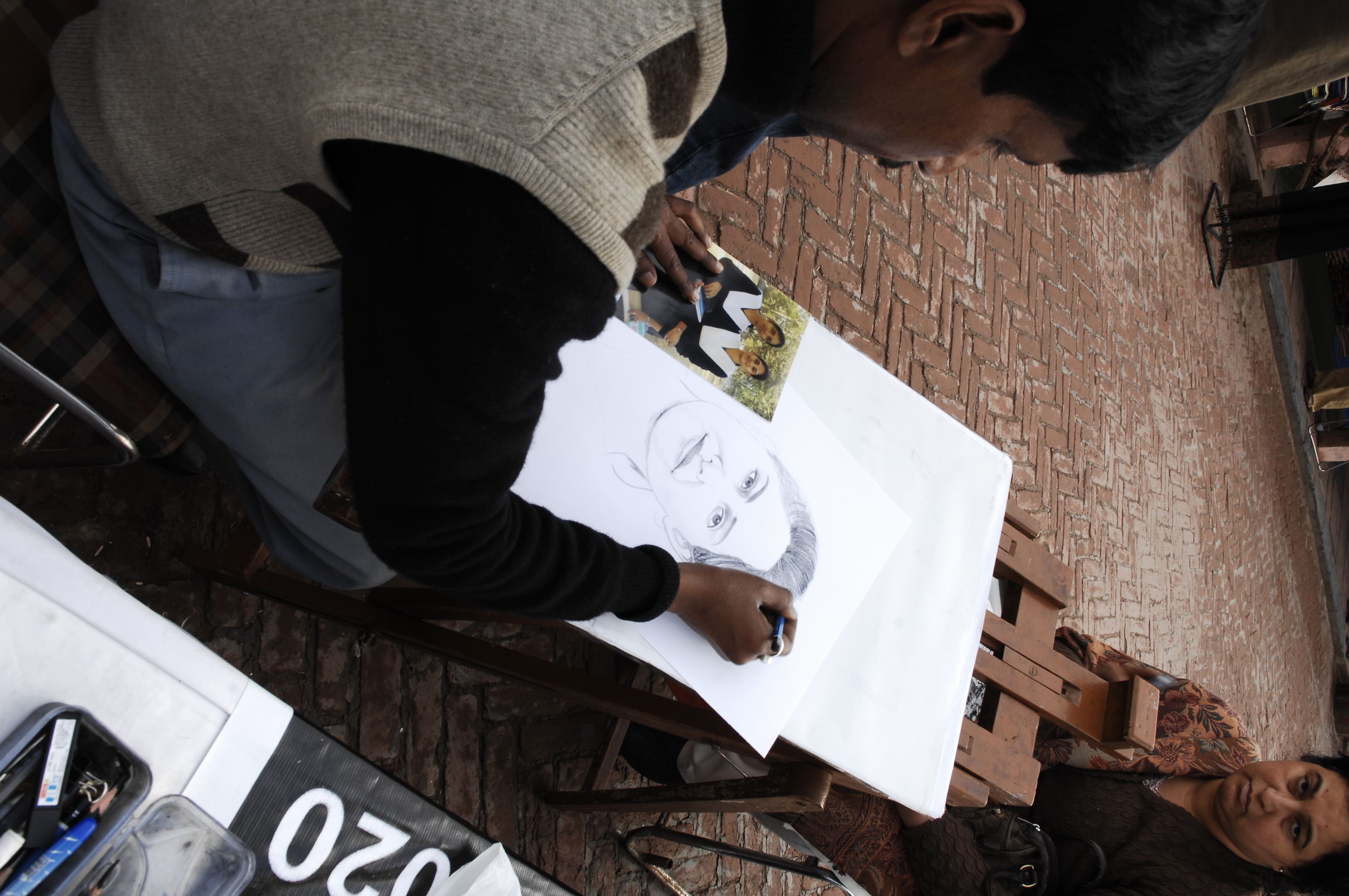
Behind the lensIn good companyA curious eyeA curious eye
Places & landscapes
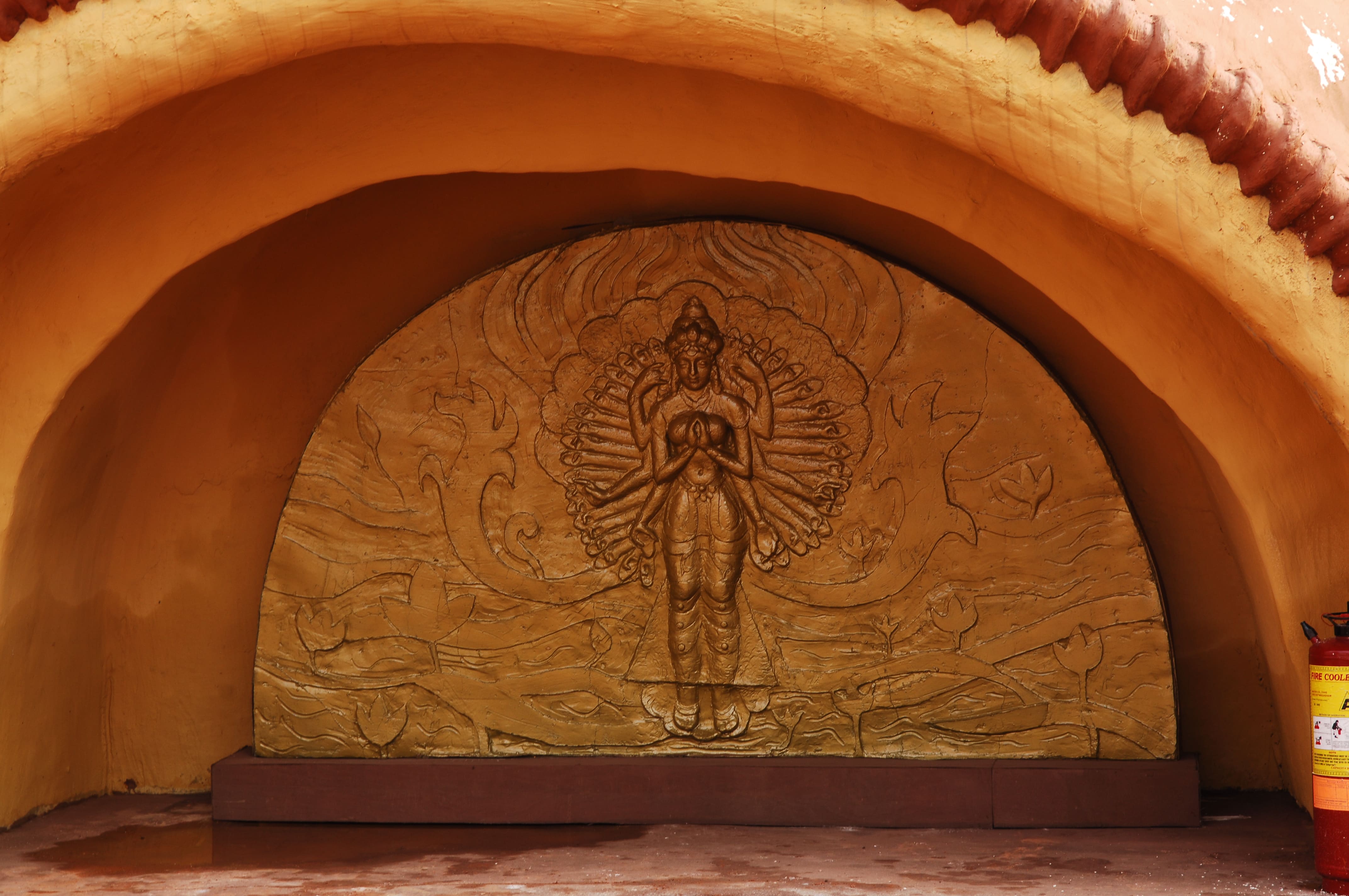
Quiet shelterStone and timePassing throughPassing through
Nature & wildlife
Wild encountersIn flightAmong the treesAmong the trees
Some photographs stay with us because they ask us to stay.
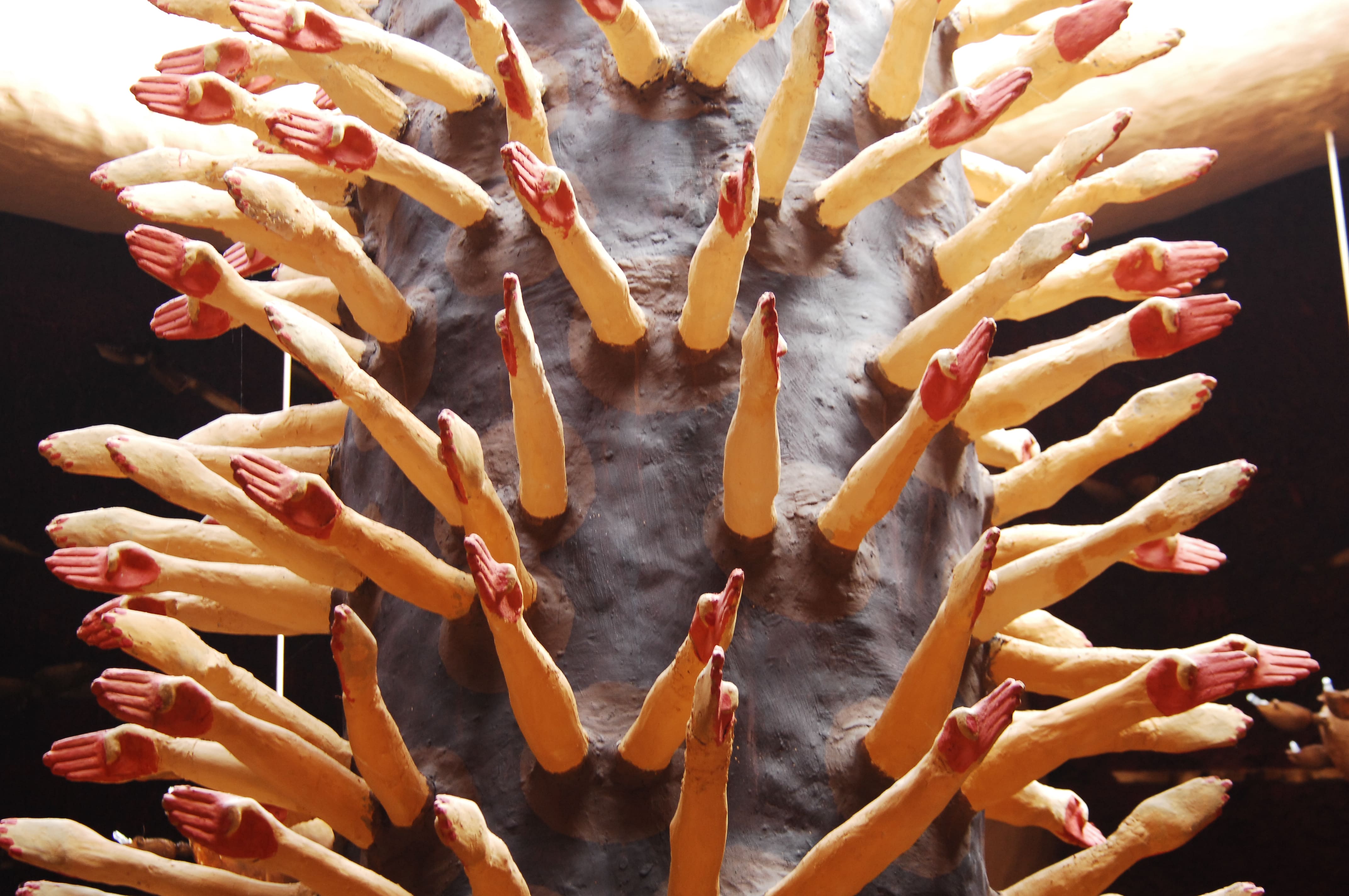
Shashi / In practiceThe long lookThe long lookThe long lookFrom the archiveFrom the archiveFrom the archiveFrom the archive
He was also a puzzle. Even those who knew him for years probably knew only parts of him. He seldom
spoke about his own agony. He could carry hurt quietly and still find the emotional space to comfort
somebody else. Perhaps that was one of his contradictions: a man who concealed his own wounds but
was extraordinarily sensitive to the wounds of others.
For nearly twenty years, we lived and worked alongside each other. We shared a commitment to causes
larger than ourselves. Through Aarohan and beyond it, Shashi gave his time, energy, experience and
affection without keeping an account of what he gave or what he received. There were no fixed hours
for him when somebody needed help. Resources could be scarce, circumstances could be difficult, but
these things rarely altered the purpose we shared. We could disagree, but our differences never
became distance. There was an extraordinary freedom in our relationship. Neither time, money,
position nor circumstance could determine its strength.
For me, his support was something I once described as an afternoon shadow—sometimes you may not
notice it, but it remains beside you. Whether I was dealing with a difficult decision, an
organisational crisis, a personal worry or simply the exhaustion of the day, I knew Shashi was
there. Sometimes that assurance required no conversation at all. He was also a puzzle. Even those
who knew him for years probably knew only parts of him. He seldom spoke about his own agony. He
could carry hurt quietly and still find the emotional space to comfort somebody else. Perhaps that
was one of his contradictions: a man who concealed his own wounds but was extraordinarily sensitive
to the wounds of others. Our relationship never needed a name. At different moments he could be my
closest friend, my critic, my guide, my mentor, my companion in a cause, and the person before whom
I could put down the burdens I carried. We did not spend our years defining the relationship; we
spent them living it.
.jpg)